Introduction
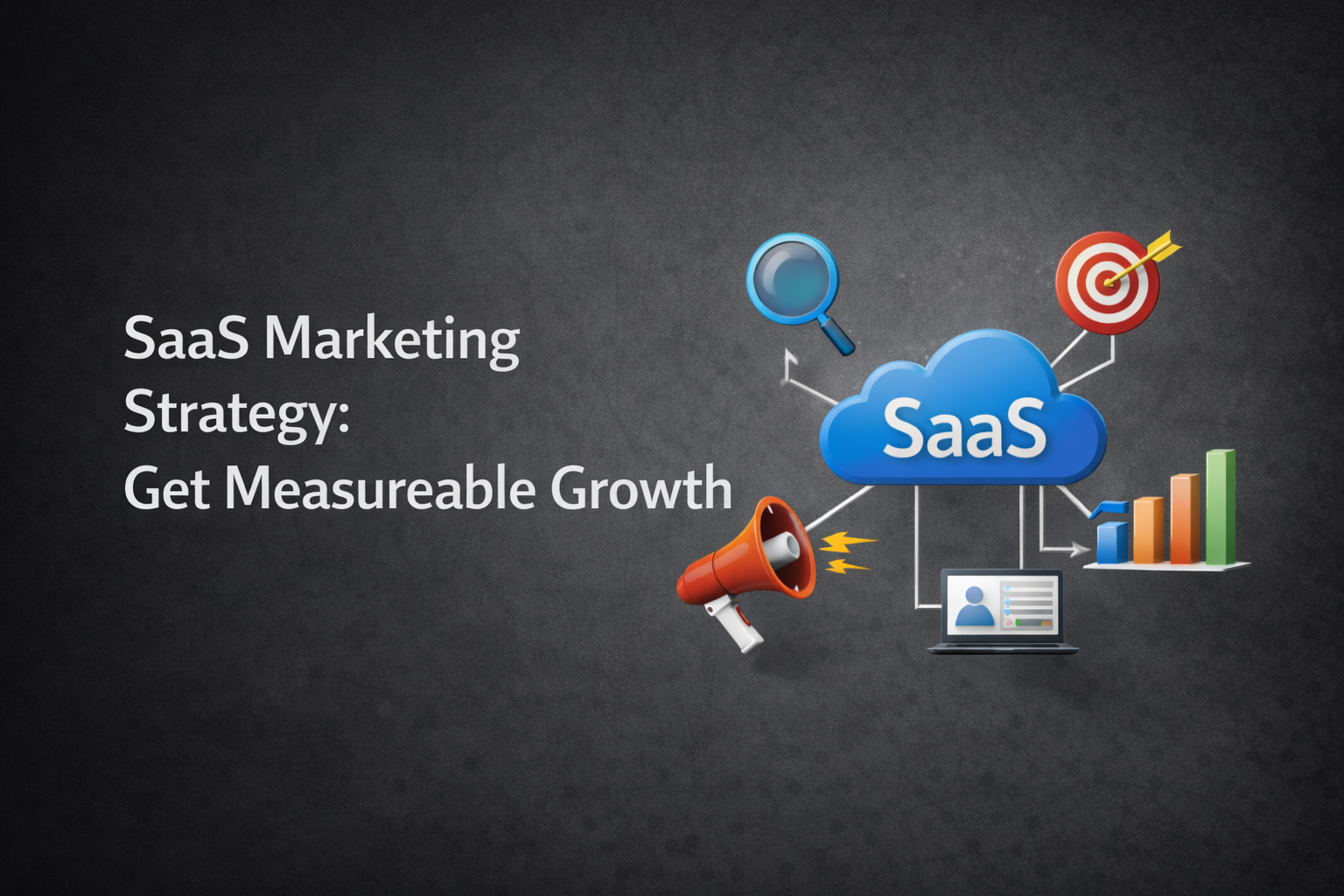
SaaS marketing is a result-driven strategy to attract users. It helps to grow business like wildfire. SaaS growth depends on content marketing, SEO solutions, lead generation, and data-driven techniques. It establishes trust and a long-term business authority. In 2026, adopting a SaaS marketing strategy will be a game-changer for your business.
Fortuneitpark helps brands to set a trend and build an effective engine.
Why SaaS Marketing Needs an Integrated Approach
SaaS Business Model Characteristics
The SaaS business model differs from other marketing techniques. It depends on continuous revenue, scalability, customer-driven growth, and ongoing development. However, these strategies are effective when marketing solutions are implemented across multiple teams and platforms. In this model, every campaign (SEO, content marketing, product-led growth, etc) works together to achieve real results.
The Problem with Disconnected Strategies
In Saas marketing, the flaws start to show rapidly. Disconnected strategies create frictions that hurt more than a person can imagine in the subscription economy. A lack of integration across the teams, channels, and tools is the cause of this problem. It wastes the expensive data and ruins the business scalability. Some examples are:
- A person received an email that doesn’t match the real content.
- A blog article can engage readers, but it cannot serve as a bridge between consumers and the product experience.
In short, inconsistent strategies damage the Saas advertising. That is why incorporation is not optional but a requirement.
1. Paid Media for SaaS Growth
Paid advertising is the most effective method for engaging with marketing campaigns and boosting business growth. By blending multiple campaigns, SaaS advertising transforms paid clicks into customers.
Demand Generation Campaigns
Ads on social media platforms such as Google and LinkedIn are crucial for business growth. Demand generation campaign creates a flow of the right audience who values your brand. This integrated strategy ensures that the consumer hangs in for a long time.
Retargeting and Mid-Funnel Ads
In the SaaS, targeting individuals who visited your site but did not take actions like “get our services” or “buy now” helps ensure that leads remain active.
Mid-funnel ads are designed to make conversions. I feature business case studies and product or service demos. These techniques deliver information at the right moment and guarantee organic results.
Paid Media Metrics for SaaS
Paid media metrics focus on customer acquisition cost (CAC), customer lifetime value (LTV), and conversion rates to demonstrate business success. When these campaigns are implemented right, they become a growth engine.
2. Organic Inbound and SEO
Organic inbound and SEO are the base of a long-lasting SaaS channel. Inbound advertising focuses on content, while SEO ensures that content is visible, keyword-rich, and technically enhanced to increase online visibility.
SaaS Content Marketing
Content marketing, such as blog posts, articles, and case studies, built customer trust. Daily content posting of high-keyword volumes and search intent keeps your website alive. SaaS content advertising connects & attracts the audience at every step of the guide.
SEO for the SaaS Customer Journey
SEO in SaaS guides customers throughout their purchasing experience. First, it provides awareness and then moves towards decision-making. SEO for the SaaS customer journey ensures that your brand is visible when the consumer is actively searching.
Community and Social SEO
By combining technical and human optimization, community and social SEO increase organic inbound traffic.
3. Product-Led Growth
Product-led generation (PLG) offers free trials and viral features for successful campaigns. These strategies ensure transparency, enhance user experience, and build a lasting brand visibility.
Freemium and Free Trial Funnels
Freemium funnels give limited features to users forever. At the same time, free trial funnels offer free features for a specific time. They gain measurable success ininbound marketing when they’re implemented together.
In Product Marketing
In a product marketing strategy, guide the user through the product itself. By adapting these strategies, brands gain sustainable growth and data-driven results.
PLG Metrics to Track
The key component of PLG techniques is audience tracking or measurement. Tracking new user registrations, activations, and behaviors, you gain insights into the value of your product.
Establishing the SaaS Growth Engine
The most effective B2B SaaS marketing strategies blend all these pillars, ensuring business enhancement, growth, and online visibility.
Data Unification
Data unification involves blending organic advertising with product-led generation strategies to enhance the business’s online visibility and achieve data-driven results. By linking dashboards, they strengthen decision-making and measurable progress across all three pillars.
Cross-Functional Collaboration
Marketing, product, and leads must be connected cross-sectionally to achieve business goals for a SaaS engine to function successfully. This collaboration ensures success metrics and prepares the team for tomorrow’s challenges.
Iteration and Experimentation
The results of testing come when paid, organic, and PLG platforms work together. They gain fast learning, smart strategies, and enhance business development.
Lining up Paid, Organic, and Product Signals at an Enterprise SaaS Leader
In this dynamic digital world, linking up paid ads, organic search, and products is a smart decision to increase the sales cycle. This arrangement attracts the audience at the right time, builds trust, and drives conversions.
The Challenge
The real challenge in SaaS marketing is obtaining connections. Paid ads drive traffic, organic content builds brand authority, and product insights track user behaviour. Without shared signals, the brand can’t make progress towards qualified opportunities.
The Integrated Strategy
At Fortuneitpark, we implement smart strategies for business growth. Our solutions are crafted to engage the audience, boost sales, and deliver visible results.
- Paid campaigns increase visibility and targeted reach, but without a framework, they risk being temporary.
- Organic advertising establishes trust and long-term authority over time, nurturing prospects with content that educates and engages.
- Product-Led Growth (PLG) transforms the product into a tool for its own growth, building self-service experiences.
By aligning these three pillars, the team makes data-driven decisions and strategies. The integrated solution builds momentum & growth.
The Outcome
When we apply this framework, growthbecomes more organized. Paid campaigns maximize organic reach, high-volume keywords content develops trust, and product-led signals drive traffic.
Challenges SaaS Marketers Face
Standing Out in a Saturated Market
Without adopting SaaS solutions, businesses would not grow, which cuts them off from the standard market.
Balancing Paid, Organic, and PLG
Paid campaigns accelerate the development, organic platforms build loyalty, and product-led growth drives adoption. Letting go of one solution from these pillars surpasses others.
Data Silos and Signal Alignment
Marketing, product, and sales measure success differently. Without unified data, it’s difficult to see which path engages users who activate, retain, and expand.
Driving Retention and Expansion
SaaS marketers must keep customers engaged, identify advanced opportunities, and improve ROI.
Rapid Iteration and Experimentation
Marketers should adopt testing across multiple platforms, learn quickly, and utilize strategies without losing momentum.
The Future of SaaS Growth Strategies
SaaS solutions are transforming from traditional to modern strategies. The future of these techniques will depend on:
- AI-Driven SaaS Marketing.
- Revenue Operations and Data Alignment.
- Expansion Revenue as a Growth Driver.
FAQs
What is meant by SaaS marketing strategy?
Software as a Service marketing is a type of marketing that focuses on digitally promoting and generating leads for subscription-based software. It combines paid campaigns, organic platforms, and product-led development to create a unified engine that drives sustainable revenue.
What are the three pillars of SaaS marketing?
Three pillars of SaaS advertising are:
- Paid Media for SaaS Growth
- Organic Inbound and SEO
- Product Led Growth
What are some examples of Software as a Service marketing?
Slack, Canva, MailChimp, Grammarly, and more are examples of SaaS solutions. They are subscription-based software that provides various features to help users.
How long does it take to see real results from SaaS marketing?
The outcome depends on your strategies. If your strategies are strong and smart, you will see results in weeks or in 3-6 months.
What is the top SaaS marketing tactic right now?
The most effective SaaS strategy in 2025 and 2026 is product-led growth. It offers a Freemium and Free Trials funnel, minimizes friction, and ensures that users get value.
Which platform should I use for a SaaS marketing strategy?
It depends on your audience. You can use a mix of channels, such as HubSpot for CRM automation, LinkedIn for B2B advertising, Google Analytics for tracking user experience, Semrush or Ahrefs for SEO and content writing, and specific email tools like ActiveCampaign or Mailchimp for email campaigns.